
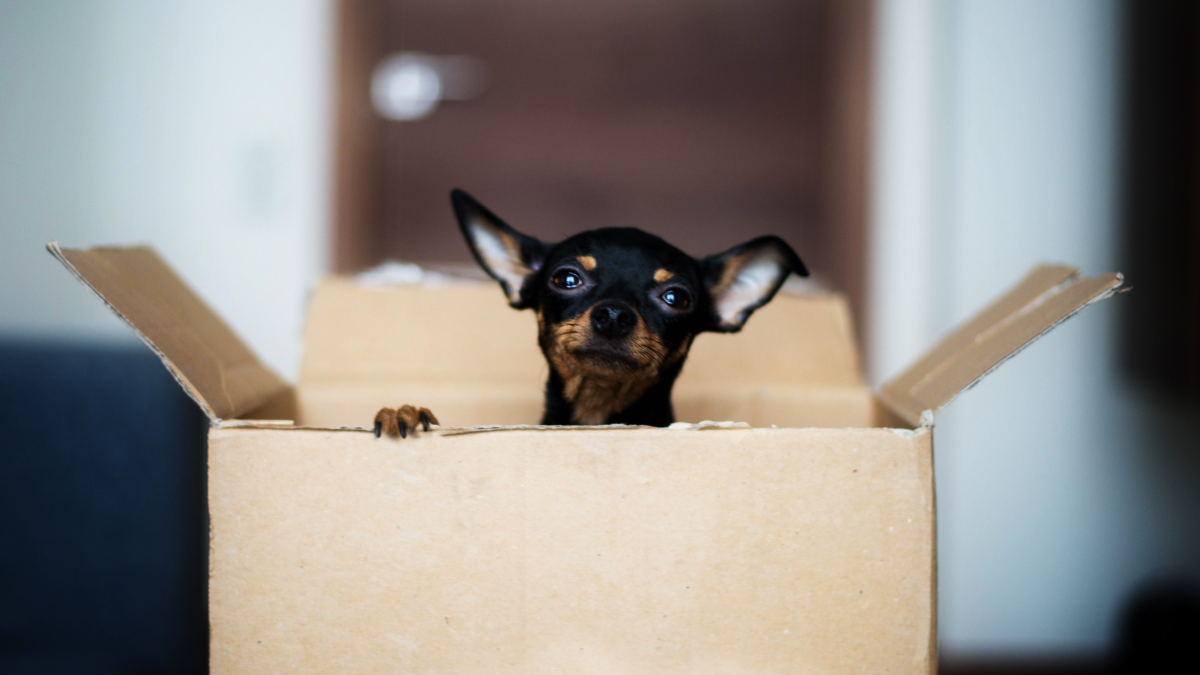
Relocating your pet to New Zealand is a significant journey filled with excitement and challenges. The emotional bond you share with your pet makes ensuring a smooth and stress-free transition crucial.
But what exactly does the relocation process involve? How can you ensure your pet is comfortable and safe throughout the journey? This guide aims to answer these questions and more, providing you with all the necessary essential information and practical tips.
Understanding the necessary vaccinations and health checks, navigating quarantine regulations, and covering every step of the process are essential. You'll learn about the documentation and permits required, how to choose the suitable quarantine facility, and what to expect during your pet's quarantine period. We also offer advice on ensuring a smooth travel experience, from selecting the right travel crate to making travel arrangements. Finally, we provide tips on helping your pet settle into their new environment in New Zealand, ensuring their ongoing health and well-being. Ready to make the move? Let's get started.
Preparing for the Move
Vaccinations and Health Checks
Ensuring your pet is up-to-date with vaccinations and health checks is a critical first step in the relocation process. New Zealand has stringent biosecurity measures to protect its unique ecosystem, and pets must meet specific health requirements before entry.
Essential vaccinations include rabies, which must be administered at least six months before travel, and other core vaccines like DHPP (distemper, hepatitis, parainfluenza and parvovirus), leptospirosis, and kennel cough for dogs, and feline viral rhinotracheitis, calicivirus, and panleukopenia for cats.
Timing these vaccinations correctly is crucial, as proper timing can ensure the relocation process is completed on time. For instance, if the leptospirosis vaccine is not administered within one year of each other and is not updated, then the primary course will need to be done again. Rabies vaccine must be done at least 6-12 months before departure, while serology titer test must be done at least three months before travelling to New Zealand.
A comprehensive health check by a licensed veterinarian is also mandatory. This check should include a thorough examination and certification that your pet is free from contagious diseases. The health certificate, often called an Export Health Certificate, must be issued within ten days of travel. This document is a testament to your pet’s health status and requires obtaining the necessary import permits.
Documentation and Permits
When applying for the import permit for New Zealand, you need four documents:
1. Rabies vaccine (include microchip details, batch number, expiry, etc.)
2. Rabies serology titre test report
3. Quarantine reservation confirmation from the quarantine station
4. Official Vet Declaration (OVD)
To streamline the process, ensure you have the following documents ready:
- Vaccination Records: Proof of all required vaccinations, including rabies vaccine.
- Rabies serology titre test report
- Health Certificate: Issued within ten days of travel.
- Microchip Details: Ensure your pet’s microchip is ISO 11784/11785 compliant. You must include details like the batch number, expiry date, etc.
- Import Permit: Application and payment receipt.
- Official Vet Declaration
- Quarantine reservation confirmation from the quarantine station and vaccination card showing DHP, KC, and lepto vaccines.
Choosing the Right Quarantine Facility
Selecting an MPI-approved quarantine facility is crucial for your pet's comfort and safety. Factors to consider include location, quality of care provided, and amenities. Facilities like Auckland Quarantine offer services designed to ensure your pet's well-being during their stay. Booking the quarantine facility well in advance is essential, as spaces can fill up quickly.
Here are MPI-approved quarantine facilities in New Zealand:
235 Brookby Road, Rd 1, Manurewa 2576
Auckland
71a Homestead RoadRD1 Pokeno
Auckland
150 Airfield Road
Takanini
Auckland
Highfield Road
Aylesbury
PO Box 23158
Christchurch
When choosing a facility, consider:
- Reputation and Reviews: Look for facilities with positive reviews and a good reputation. For example, Auckland Quarantine’s Facebook page posts daily pictures of pets in quarantine to reassure their owners..
- Services Offered: Ensure the facility provides daily care, exercise, and veterinary services.
- Communication: Choose a facility that regularly updates your pet’s status.
Navigating Quarantine Regulations
Understanding Quarantine Requirements
All pets entering New Zealand must undergo a mandatory quarantine period ranging from 10 to 60 days in an MPI-approved facility. This quarantine period ensures that potential health risks are identified and managed before your pet can enter the general population. The standard quarantine period is ten days, but this can be extended if any health issues are detected.
What to Expect During Quarantine
Upon arrival at the quarantine facility, an MPI veterinarian will inspect your pet within 72 hours. This initial inspection is crucial to identify immediate health concerns and ensure your pet meets all entry requirements. Your pet will receive daily care throughout the quarantine period, including feeding, exercise, and health monitoring.
Daily routines in quarantine facilities typically include:
- Feeding and Hydration: Ensuring your pet receives a balanced diet and adequate water.
- Exercise and Socialisation: Providing opportunities for physical activity and interaction.
- Health Monitoring: Regular checks by veterinary staff to monitor your pet’s health.
Tips for Reducing Stress During Quarantine
Quarantine can be stressful for pets, but several strategies can help minimise this stress. Preparing your pet for quarantine involves familiarising them with a routine similar to what they will experience in the facility. Bringing familiar items like their favourite toys or bedding can provide comfort and security.
Additional tips include:
- Gradual Crate Training: Acclimate your pet to spending time in their travel crate.
- Consistent Routine: Maintain a consistent feeding and exercise schedule.
- Calming Aids: Consider using calming sprays, pheromone diffusers, or calming collars.
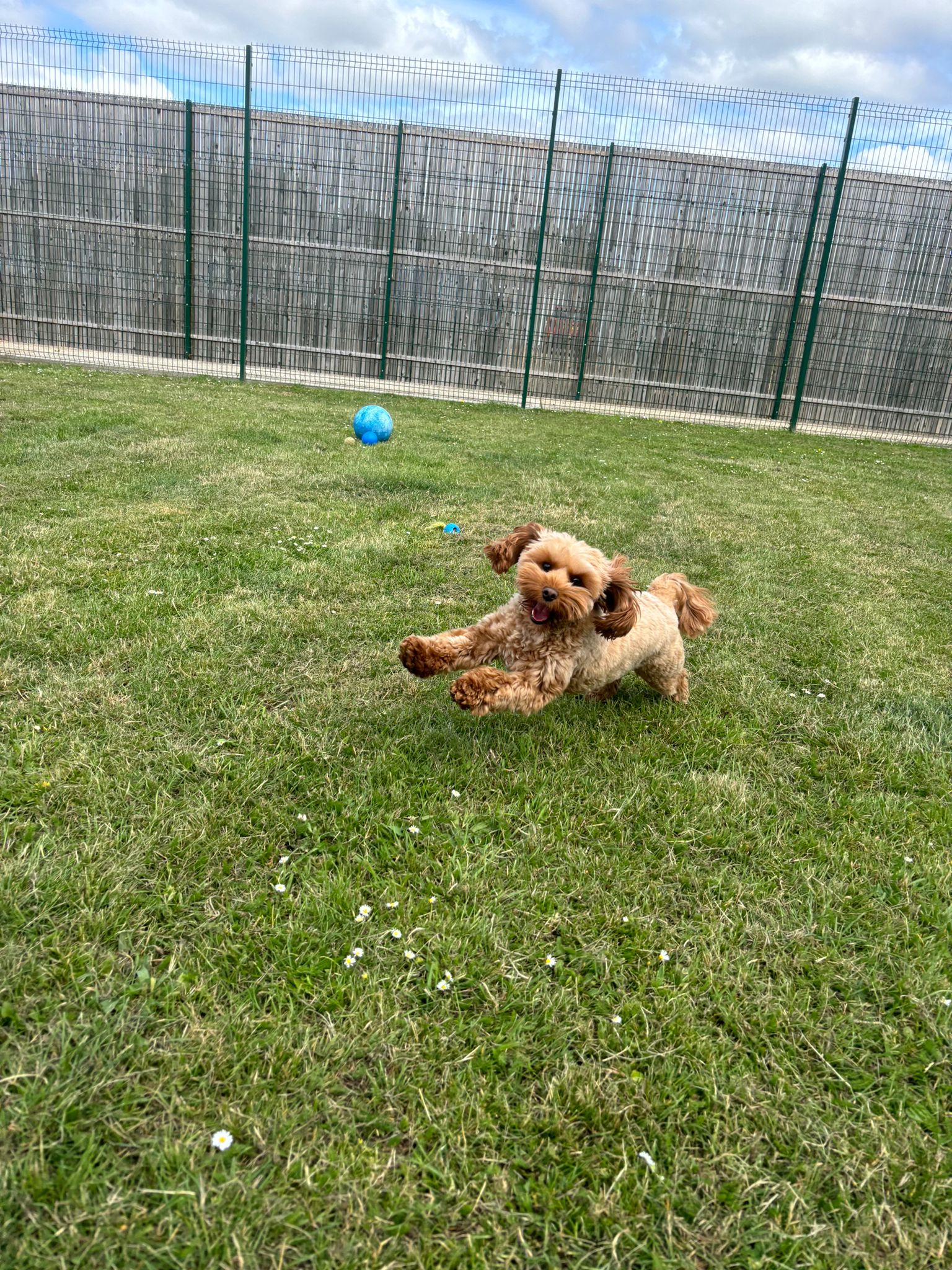 Ensuring a Smooth Travel Experience
Choosing the Right Travel Crate
Selecting an appropriate travel crate is essential for your pet’s comfort and safety during the journey. The crate must meet airline and New Zealand regulations, which typically require it to be large enough for your pet to stand, turn around, and lie comfortably. It should also be well-ventilated and secure.
When choosing a travel crate, consider:
- Size and Comfort: Ensure the crate is appropriately sized for your pet.
- Durability and Security: Choose a sturdy crate with secure latches.
- Ventilation: Ensure adequate airflow to keep your pet comfortable.
Travel Arrangements and Logistics
Coordinating travel arrangements involves booking flights, liaising with airlines, and ensuring all logistics are in place for a seamless journey. Booking a direct flight is advisable to minimise travel time and stress for your pet. Confirm with the airline that they accommodate pets and understand their specific requirements.
Critical logistics to consider:
- Flight Booking: Opt for direct flights where possible.
- Airline Coordination: Confirm pet travel policies and requirements.
- Travel Timing: Plan travel to avoid extreme weather conditions.
Comfort and Safety During Travel
Keeping your pet comfortable and safe during travel is paramount. Ensure they are well-hydrated and have access to water throughout the journey. Feeding should be done a few hours before travel to prevent discomfort.
Tips for travel comfort and safety:
- Hydration: Ensure your pet has access to water.
- Feeding Schedule: Do not feed pets 12 hours prior to departure. An empty stomach can help alleviate nausea and vomiting.
- Must-have Items: Include a favourite blanket in the crate and a water bowl.
Settling In: Post-Quarantine Care
Reuniting with Your Pet
Reuniting with your pet after quarantine is a moment filled with joy and relief. It’s essential to approach this reunion calmly to avoid overwhelming your pet. Allow them to come to you at their own pace and provide plenty of reassurance.
Adjusting to the New Environment
Helping your pet acclimate to its new environment involves gradually introducing it to its new home and surroundings. Start by allowing it to explore one room at a time and gradually expand its access. Maintaining familiar routines can help ease the transition.
Strategies for acclimation:
- Gradual Introduction: Introduce your pet to one room at a time.
- Familiar Routines: Maintain feeding and exercise schedules.
- Positive Reinforcement: Use treats and praise to encourage exploration.
Ongoing Health and Well-being
Maintaining your pet’s health and well-being post-quarantine involves finding a local veterinarian and establishing a routine care plan. Regular check-ups, vaccinations, and a balanced diet are essential for your pet’s health. Building a relationship with a local vet ensures you have support for any health concerns that may arise.
Recommendations for ongoing care:
- Local Veterinarian: Find a trusted local vet for regular check-ups.
- Routine Care: Maintain vaccinations and health checks.
- Balanced Diet: Ensure your pet receives a nutritious diet.
Wrapping Up: Ensuring a Smooth Transition for Your Pet
Relocating your pet to New Zealand demands meticulous preparation and heartfelt care. Every step is crucial for a seamless transition from ensuring up-to-date vaccinations and securing the necessary documentation to navigating quarantine regulations and choosing the right travel crate. Your emotional bond with your pet underscores the importance of making this process smooth and stress-free.
As you prepare for this significant move, remember that your pet's comfort and safety are crucial. Following the guidelines and tips can quickly help your pet adjust to their new environment. The journey may be challenging, but the reward of seeing your pet thrive in their new home is immeasurable. After all, the love and companionship you share with your pet are worth every effort. Ready to make the move? Your pet's new adventure in New Zealand awaits.

