
Relocating can be a challenging experience for pets, often leaving them feeling anxious and disoriented. How can our furry friends adjust smoothly to their new surroundings?
Understanding the emotional impact of relocation on pets is crucial for their well-being. With compassionate guidance and a few strategic steps, we can help make this transition as stress-free as possible for our beloved companions.
Maintaining routines amidst the chaos of moving and creating a safe and familiar environment in the new home play vital roles in easing your pet's adjustment. What are the best practices for travel rehearsals, and how can familiar scents help? By exploring these questions and more, we aim to provide practical, professional advice to support your pet through this significant change.
1. Pre-Move Preparations: Setting the Stage for Success
Maintaining Routine Amidst Chaos
Relocating can be a disorienting experience for pets, making it crucial to maintain their routine as much as possible. Pets thrive on consistency, and sudden changes can lead to stress and anxiety. Keeping feeding, grooming, and playtime schedules consistent helps provide a sense of normalcy amidst the chaos of moving. Sticking to established routines for treats, grooming, and bedtime is essential for cats and dogs. This consistency reassures pets that their basic needs and comforts remain unchanged despite the upheaval.
Practice Makes Perfect: Travel Rehearsals
Familiarising pets with travel carriers and vehicles before the move can significantly reduce travel anxiety. Short practice trips can help pets get accustomed to the sensation of travelling. Taking your pet on short car rides around the neighbourhood can help them adjust to the motion and sounds of travel. This gradual exposure can make the actual moving day less stressful. These rehearsals are particularly beneficial for pets that have never travelled, as they help build a positive association with the travel experience.
Understanding Travel Regulations
When relocating internationally, understanding the travel regulations for pets is crucial. Different countries have varying requirements for pet travel, including documentation and health checks. Ensuring all necessary paperwork, such as vaccination records and health certificates, can prevent last-minute complications. It's also important to be aware of airline-specific rules regarding pet travel, such as crate sizes. Being well-prepared with this information ensures a smoother and less stressful journey for you and your pet.
2. The Big Day: Managing Moving Day Stress
Creating a Safe Space
Creating a designated safe space for your pet on a moving day is essential. This area should have familiar items like toys, bedding, and food to provide comfort. Ensuring pets have access to these familiar items helps reduce their anxiety. Setting up as much as possible in a room before introducing the pet to the new home can make the transition smoother. This approach allows pets to acclimate to a smaller, familiar environment before exploring the entire house.
Minimising Exposure to Chaos
Keeping pets away from the busiest moving activities is vital to reduce their stress. Arranging for pet care or confining them to a quiet room during peak times can prevent them from becoming overwhelmed. This strategy keeps pets calm and ensures their safety amidst the moving chaos. Having a trusted friend or family member look after your pet during the peak moving hours can provide them with a calm environment away from the noise and commotion.
Travel Day Essentials
Packing a pet travel kit with essentials like food, water, and comfort is crucial for the journey. This kit should include everything your pet might need during the trip, such as their favourite toys, a blanket with familiar scents, and any necessary medications. Ensuring pets are comfortable and secure during the journey is paramount. Using a well-ventilated carrier that allows your pet to see outside can help reduce their anxiety. Additionally, frequent breaks for water and bathroom needs can make the trip more comfortable for your pet.


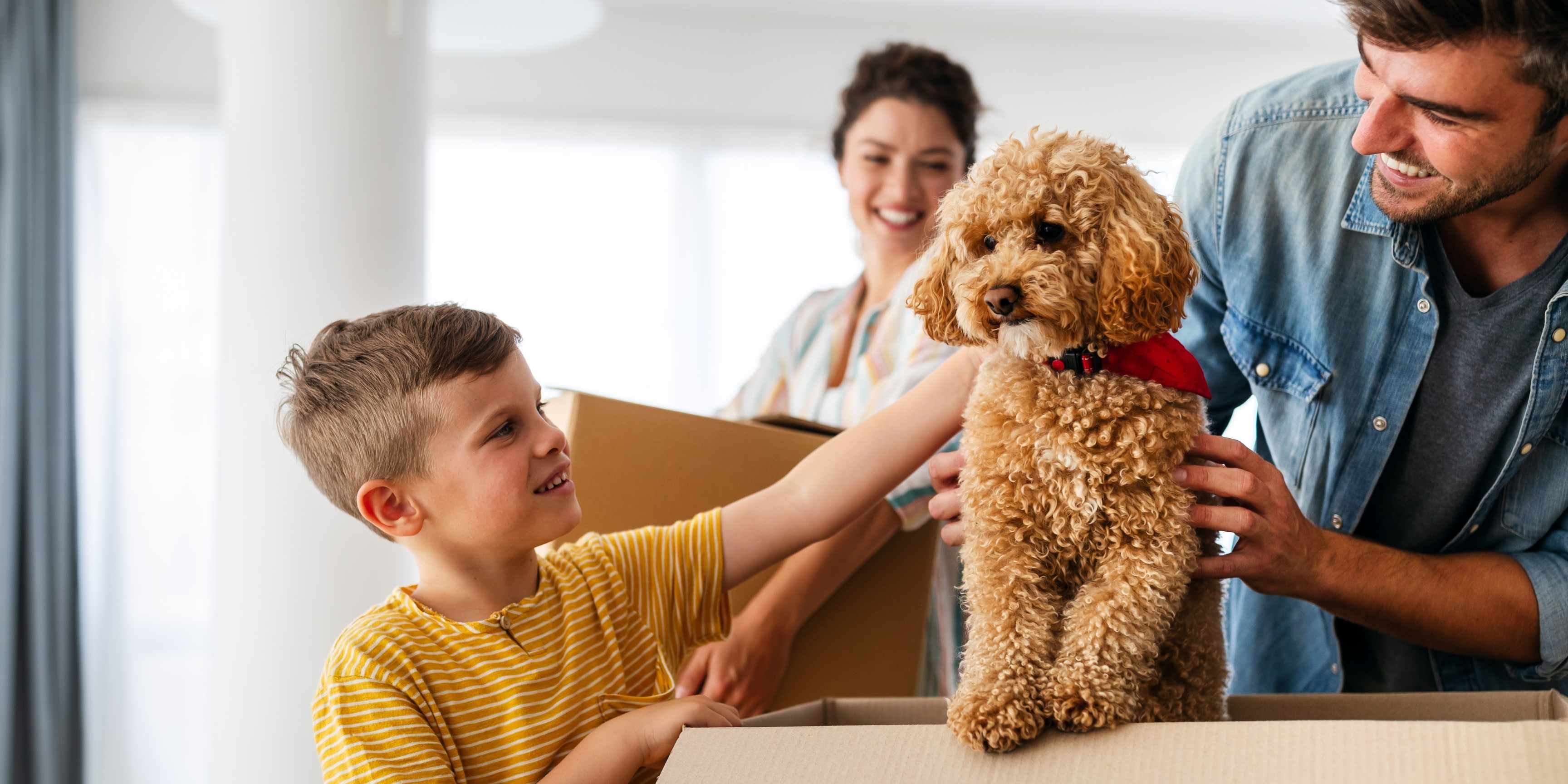
3. Introducing Pets to Their New Home
Gradual Introduction to New Surroundings
Allowing pets to explore their new home at their own pace is essential for a smooth transition. Setting up a familiar environment in a single room can help pets feel secure. This approach allows them to gradually acclimate to their new surroundings without feeling overwhelmed. Letting dogs explore their new surroundings freely, without forcing them, can prevent anxiety. Similarly, cats should be allowed to explore at their own pace, with access to familiar items that provide comfort.
Maintaining Familiarity in a New Environment
Using familiar scents and items to create a sense of security in the new home is crucial. Pets rely heavily on their sense of smell; familiar scents can provide comfort in an unfamiliar environment. Establishing routines for feeding, play, and rest also helps maintain a sense of normalcy. Using the same feeding bowls and placing them in a location similar to the previous home can help pets adjust more quickly. Maintaining these routines reassures pets that their daily lives remain consistent despite the new environment.
4. Post-Move Adjustment: Easing the Transition
Monitoring Behavioural Changes
Recognising signs of stress and anxiety in pets is crucial for addressing and alleviating stress-related behaviours. Cats, for example, may display signs of stress such as crouching, rotating their ears backwards, or wide-open eyes. Dogs might exhibit behaviours like excessive barking, pacing, or destructive chewing. Monitoring these behavioural changes allows pet owners to intervene early and provide the necessary support. Providing a quiet space, engaging in calming activities, and offering extra attention can help alleviate stress.
Creating a Positive Environment
Encouraging exploration and positive interactions with the new space helps pets adjust quickly. Providing extra attention and reassurance during the adjustment period can make a significant difference. Spending additional time playing with your pet or engaging in their favourite activities can help them feel more secure. Creating a positive environment also involves ensuring the new home is safe and free from potential hazards that could cause anxiety or harm.
Seeking Professional Help if Needed
In severe adjustment issues, consulting a veterinarian or pet behaviourist is essential. Professional support can provide tailored strategies to help pets cope with relocation stress. A veterinarian might recommend anxiety-reducing medications or supplements, while a behaviourist can offer training techniques to address specific behavioural issues. Seeking professional help ensures that pets receive the appropriate care and support for a smooth transition to their new home.
Conclusion: Ensuring a Seamless Transition for Your Beloved Pet
Relocating with pets requires thoughtful preparation and compassion to ensure their well-being. By maintaining routines amidst the chaos, practising travel rehearsals, and understanding travel regulations, we set the stage for a smoother transition. On a moving day, creating a safe space and minimising exposure to chaos are crucial steps in managing stress. Introducing pets gradually to their new home and maintaining familiar routines help them acclimate more comfortably.
Monitoring behavioural changes and creating a positive environment is essential for easing post-move adjustment. Seeking professional help ensures that pets receive the appropriate care and support. Remember, your pet's comfort and safety are our top priorities, and with over 30 years of experience, we handle everything from start to finish. As you start this journey, consider how each step can make a difference in your pet's experience. After all, a smooth transition for your pet is a testament to the love and care you provide.

