
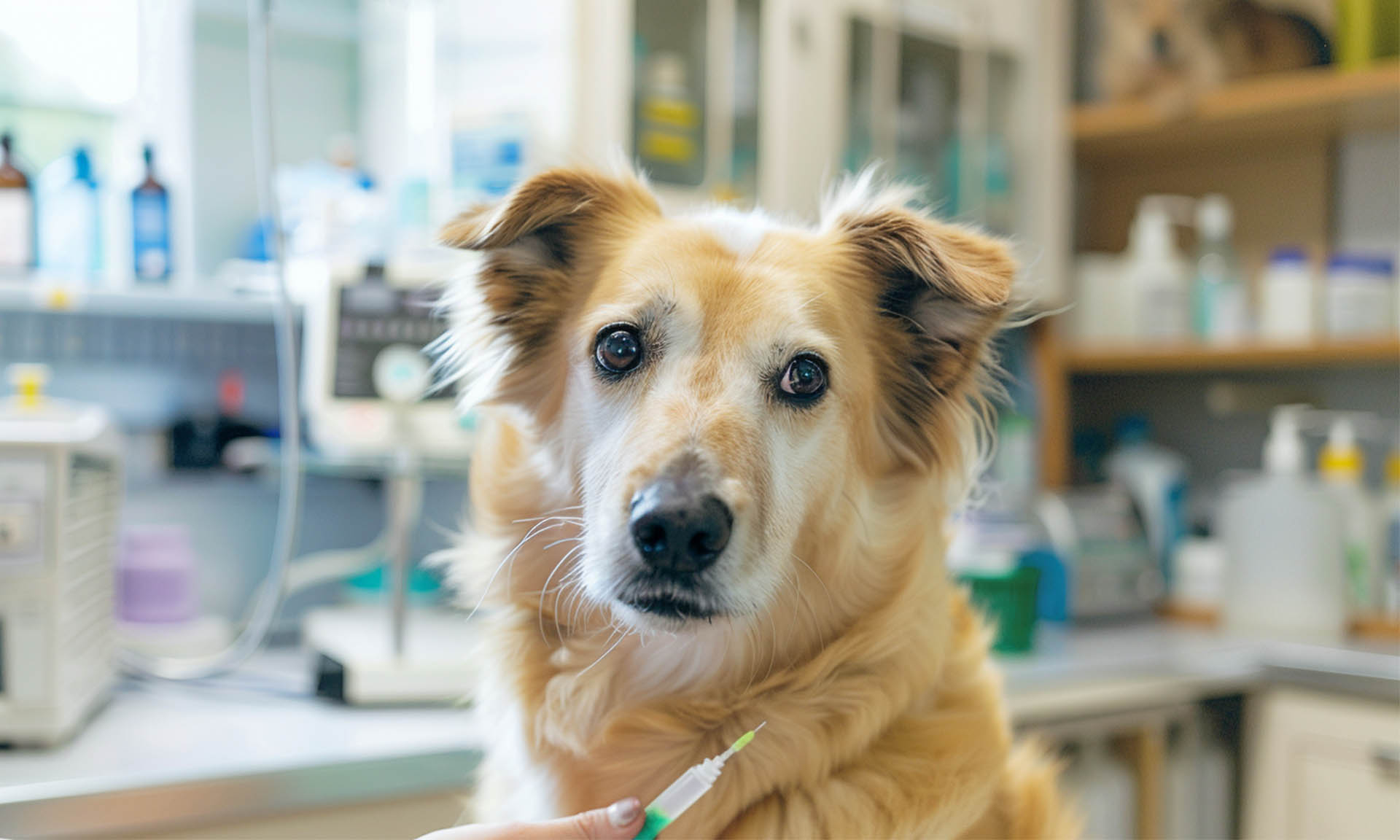
Relocating internationally with your pet can be an emotional journey filled with anticipation and concern.
Ensuring your pet's comfort and safety is crucial, especially when navigating the complexities of quarantine regulations. Some countries have stringent quarantine rules, while others have more lenient policies. This guide aims to shed light on these questions, offering a detailed look at the various requirements across different nations.
Understanding why quarantine matters is essential for pet owners planning an international move. These regulations are in place to protect both animal and public health, but they can vary significantly from one country to another. We'll explore the specifics you need to know. Whether it's the UK's tapeworm treatment protocol or the upcoming changes in the US, this guide provides the insights and tips necessary for a smooth transition, ensuring your pet's journey is as stress-free as possible.
Australia: Navigating Extended Quarantine Periods
Recent Changes in Quarantine Regulations
Australia has recently updated its quarantine regulations, extending the quarantine period from 10 to 30 days starting March 2023. This change underscores Australia's commitment to maintaining its rabies-free status and protecting its unique ecosystem. Pets returning to Australia may be eligible for a shorter quarantine period if they can provide additional documentation of the export from Australia to the UK. This includes certificates/permits exported from Australia. This will be needed when applying for the Australian import permit.
Detailed Quarantine Requirements
The criteria determining whether a pet will face 10 or 30 days in quarantine are stringent. Pets must have a microchip, a valid rabies vaccination, and a rabies titer test conducted at least 180 days but not more than 24 months before entry. Additionally, pets must undergo veterinary checks and treatments for parasites before departure.
- Microchip implantation.
- Valid rabies vaccination.
- The rabies titer test was conducted within the specified timeframe.
- Veterinary checks and treatments for parasites.
Failure to meet these requirements can result in extended quarantine periods or even denial of entry. Therefore, it is crucial to adhere to the guidelines meticulously.
Ensuring Compliance
To ensure compliance with Australian regulations, pet owners should work closely with their veterinarian to complete all necessary health checks and obtain the required documentation. This includes a health certificate endorsed by the relevant government authority, proof of rabies vaccination, and the results of the rabies titer test. Additionally, pets must be treated for external and internal parasites within a specified timeframe before travel. Keeping detailed records and double-checking all documentation can help avoid last-minute issues and ensure a smooth entry into Australia.
United Kingdom: Essential Treatments and Timing
Tapeworm Treatment Protocol
The United Kingdom requires dogs to receive tapeworm treatment within 1-5 days of entry. This treatment is crucial to prevent the spread of Echinococcus multilocularis, a tapeworm that poses significant health risks to animals and humans. The treatment must be administered by a licensed veterinarian and documented in the pet's passport or health certificate.
The below refers to pets from the EU (part 1) or part 2 listed countries.
The following must be followed if the country of origin is not listed in either of the above parts.
Your pet must have a blood sample taken at least 30 days after the rabies vaccination.
Your vet must send the blood sample to an EU-approved blood testing laboratory.
The blood test results must show that the vaccination was successful (rabies antibody level of at least 0.5 IU/ml).
If the result is successful, you must wait three months from the date the blood sample was taken before you travel.
You do not need to wait if your pet was vaccinated, blood tested and given a pet passport or health certificate in the EU before travelling to a country that is not listed.
The vet must give you a copy of the test results and enter the day the blood sample was taken in a pet passport or health certificate.
The blood test will remain valid, providing the rabies vaccinations are current.
Avoiding Quarantine
To avoid quarantine, pets must meet several entry requirements. These include being microchipped, having a valid rabies vaccination, and undergoing tapeworm treatment within the specified timeframe. Additionally, pets must have a pet passport or an official veterinary certificate that documents all treatments and vaccinations.
- Microchipping.
- Valid rabies vaccination.
- Tapeworm treatment within 1-5 days of entry.
- A pet passport or official veterinary certificate.
Following these steps, pet owners can ensure their pets meet UK entry requirements and avoid quarantine. It is also advisable to check for any additional requirements or changes in regulations due to Brexit.
Brexit Impacts
Brexit has introduced some changes to pet travel regulations between the UK and EU countries. Pet owners should be aware that the UK is now considered a third country by the EU, which means additional documentation and health checks may be required for pets travelling between the UK and EU member states. Staying updated on the latest regulations and ensuring all necessary paperwork to avoid disruptions is essential.

United States: Upcoming Changes and Preparations
New Requirements from August 2024
Starting August 1, 2024, the United States will implement new regulations for dogs entering or returning to the country based on their travel history in the past six months. These changes are designed to enhance biosecurity and prevent the introduction of diseases such as rabies.
Documentation and Health Checks
To comply with the new regulations, pet owners must provide detailed documentation of their travel history, vaccinations, and health checks. This includes a valid rabies vaccination certificate, a health certificate issued by a licensed veterinarian, and proof of any additional vaccinations or treatments required based on the pet's travel history.
- Valid rabies vaccination certificate.
- Health certificate issued by a licensed veterinarian.
- Proof of additional vaccinations or treatments.
Ensuring all documentation is accurate and up-to-date is crucial for a smooth entry into the United States. Pet owners should also be aware of any state-specific regulations that may apply.
Smooth Entry Tips
To prepare pets for a smooth journey and stress-free arrival, pet owners should acclimate their pets to their travel crates well in advance and ensure they are comfortable with the travel process. Providing familiar items such as blankets or t-shirts with a familiar smell, calming collars, and/or a spray can help reduce stress. Additionally, it is advisable to consult with a veterinarian to address any health concerns and ensure all necessary treatments and vaccinations are completed on time.
European Union: Blood Titer Tests and Timing
Blood Titer Test Requirement
The European Union requires a Blood Titer Test three months before entry to avoid quarantine. This test measures the level of rabies antibodies in the pet's blood to ensure they are adequately protected against the disease. An approved laboratory must conduct the test, and the results must meet the EU's minimum threshold for rabies antibodies.
Step-by-Step Preparation
Pet owners should follow a detailed timeline and checklist to complete the Blood Titer Test and other requirements. This includes microchipping the pet, administering the rabies vaccination, and conducting the Blood Titer Test at least three months before travel. Additionally, pet owners must obtain a health certificate and ensure all documentation is in order.
- Microchipping.
- Rabies vaccination.
- Blood Titer Test conducted at least three months before travel.
- Health certificate and documentation.
Following these steps, pet owners can ensure their pets meet EU entry requirements and avoid quarantine.
Country-Specific Nuances
While the Blood Titer Test is common across EU countries, some member states may have additional regulations or documentation requirements. Pet owners should research the specific rules of their destination country and ensure all necessary paperwork is completed. This may include additional vaccinations, treatments, or health checks. Staying informed and prepared can help ensure a smooth and stress-free journey for pets and their owners.
Conclusion: Ensuring a Smooth Transition for Your Beloved Pet
Relocating internationally with your pet involves navigating a maze of quarantine regulations, each designed to protect public and animal health. From the US’s new rules to Australia's extended quarantine periods, understanding these requirements is crucial. Thorough preparation, including vaccinations, microchipping, and health certificates, is essential to ensure compliance and minimise quarantine time. The UK's tapeworm treatment protocol and the EU's Blood Titer Test highlight the importance of timing and detailed documentation. As the US prepares for new regulations in 2024, staying informed and organised will be critical.
The goal is to make your pet's journey as stress-free as possible. By adhering to each country's specific requirements and planning meticulously, you can ensure a smooth transition for your furry friend. Remember, your pet's comfort and safety are essential. As you plan this journey, consider the emotional bond you share with your pet and the steps needed to protect their well-being. A well-prepared journey can turn a potentially stressful move into a seamless adventure, ensuring your pet arrives happy and healthy.

