
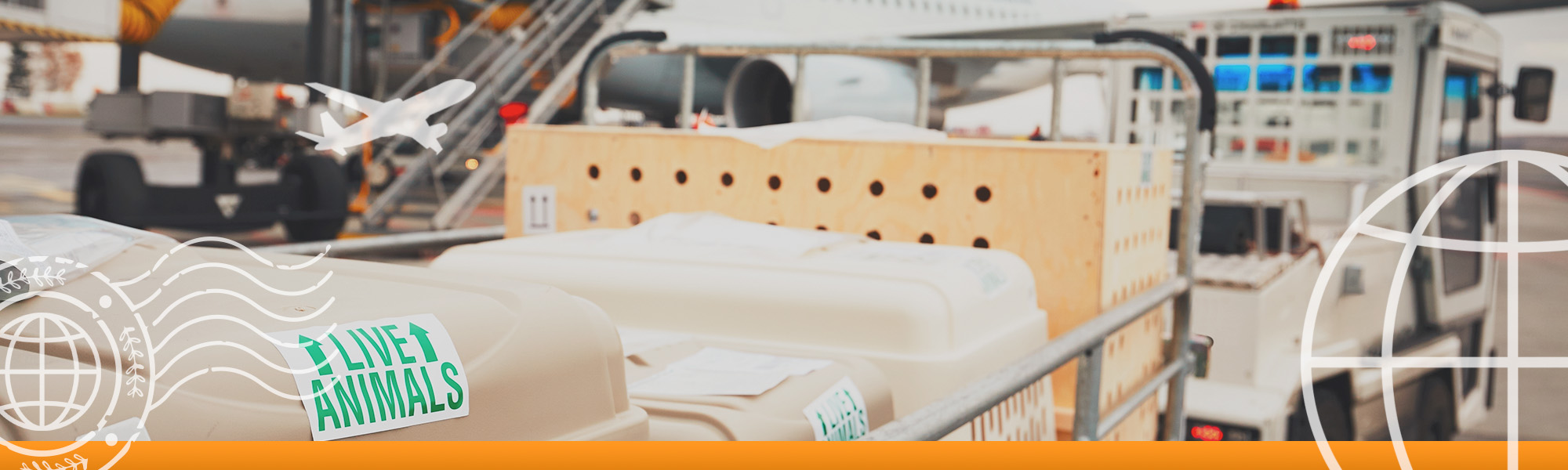
Navigating the realm of pet air travel for international relocation can be a daunting and overwhelming task for pet owners. From understanding flight requirements and cargo options to knowing which airline policies apply, there is a lot to consider when preparing for your pet's journey across borders.
To help you better understand the intricacies of pet air travel, this comprehensive guide offers crucial information and advice on managing flight-related aspects of your pet's relocation journey.
Delve deeper into this comprehensive exploration of pet air travel, equipping yourself with essential knowledge and guidance to make informed decisions on your beloved pet's international relocation journey.
Flight Requirements
Before embarking on your pet's international relocation journey, it is vital to understand the fundamental flight requirements for pet air travel. These requirements may vary depending on your destination country, airline, and your pet's specific needs. Consider the following general flight guidelines:
1. Health and Vaccination: Ensure your pet is in good health and up-to-date with all mandatory vaccinations required for your destination country. This information is typically documented through health certificates, vaccination records, and import permits.
2. Age and Breed Restrictions: Adhere to airline and destination country restrictions regarding the age and breed of pets allowed for air travel. Some airlines may have strict rules for specific breeds, especially brachycephalic or snub-nosed breeds, which may be prone to breathing difficulties during air travel.
3. Crate Specifications: Invest in an appropriately sized, comfortable, and airline-approved travel crate for your pet. The crate should meet the International Air Transport Association (IATA) standards and provide proper ventilation and security.
4. Feeding and Hydration: Familiarise yourself with the airline's policy on feeding and hydration for pets during the flight. In general, provide a sufficient amount of food and water for your pet, as well as easy access to these essentials within their travel crate.
Airline Policies
Different airlines may have varying policies and regulations regarding pet air travel. Familiarising yourself with these policies and selecting the most pet-friendly airline can significantly impact your pet's overall travel experience. Consider the following points when choosing an airline for your pet's relocation:
1. Pet-Friendly Airlines: Research and choose an airline with a reputation for accommodating pet relocation needs. Pet-friendly airlines typically provide better pet transportation policies, trained personnel, and enhanced pet travel procedures.
2. Airline Pet Travel Fees: Take into account the airline's fees for pet transportation when making your decision. Some airlines may charge pet transportation fees based on the size and weight of your pet, while others may have a flat rate pricing system.
3. Layovers and Transit: Avoid, if possible, lengthy layovers or multiple connections on your pet's route to minimise stress, fatigue, and potential exposure to extreme temperatures. Direct flights or routes with shorter transit times are preferable for your pet's comfort.
4. Familiarise Yourself with Airline Regulations: Each airline may have its own set of pet travel requirements, restrictions, and procedures. Understanding these regulations can help you make informed decisions when planning your pet's relocation.
Preparing for Pet Air Travel
Proper preparation for pet air travel is essential to ensure a comfortable and stress-free journey for your beloved companion. Here are some tips and advice on how to prepare your pet for air travel:
1. Conduct a Pre-flight Veterinary Check: Schedule a vet appointment to assess your pet’s health, update vaccinations, obtain necessary documentation, and discuss concerns or special care requirements during the flight.
2. Do Some Crate Training: Familiarise your pet with their travel crate well in advance, encouraging them to feel comfortable and secure within their crate. Crate training plays a vital role in reducing anxiety and promoting a positive travel experience for your pet.
3. Consider Exercise and Feeding: On the day of your pet's flight, provide ample opportunity for exercise and potty breaks while adhering to the airline’s feeding guidelines. This process can help your pet feel more relaxed and comfortable during the journey.
4. Prepare Comfort Items and Identification: Equip your pet's crate with familiar items, such as toys or blankets, and secure proper identification tags to the crate and your pet's collar.
5. Hire a Professional Pet Relocation Service: If you are unsure about managing the travel process, consider hiring a professional pet relocation service. They have the experience and knowledge to handle all the logistics of pet travel, from preparing the travel habitat to handling travel regulations.
Conclusion
Navigating the complexities of pet air travel can be challenging, but with the right knowledge and preparation, you can ensure a smooth and successful relocation experience for your companion. By understanding flight requirements, evaluating cargo and cabin options, researching airline policies, and thoroughly preparing your pet for air travel, you can confidently embark on your international journey together.
As a renowned international pet transport company, Airsupply Pet Travel offers a full suite of services, including pet travel consultation, preparation of travel documents, and coordination of flights and ground transportation. Our experienced team is here to guide and support you every step of the way. Let us ensure the utmost safety, comfort, and well-being of your beloved pet every step of the way. Contact us today to get a free quote!

